

Telehealth Marketing Strategies

Telehealth Marketing Strategies to Boost Your Patient Outreach

In today’s fast-paced digital landscape, telehealth marketing strategies are essential for healthcare providers looking to reach more patients and improve their services. As more individuals turn to telehealth for convenient healthcare access, understanding effective marketing avenues becomes critical. This post explores the top 5 telehealth marketing strategies you need to know, helping your practice thrive in the growing telehealth sector.

Understanding Telehealth Marketing

Telehealth marketing refers to the collection of strategies aimed at promoting healthcare services delivered remotely. This includes everything from online consultations to digital health education. Effective telehealth marketing not only highlights your services but also builds trust with potential patients. To thrive in telehealth, you must connect with your audience—today, more than ever, this requires a robust digital approach.

Top 5 Telehealth Marketing Strategies You Need to Know

Build a Strong Online Presence

Creating a strong online presence is the cornerstone of any successful telehealth marketing strategy. Here are some essential elements:

  • Website: Your website should be user-friendly and mobile-optimized, providing clear information about your services, including how telehealth works. Use strong calls-to-action (CTAs) to encourage site visitors to book appointments or contact you for more information.
  • SEO: Integrate on-page SEO techniques to enhance visibility. Use keywords like “telehealth services,” “remote healthcare,” and “online doctor appointment” throughout your site.

Utilize Social Media Effectively

Social media platforms are incredibly powerful tools for reaching your audience. Consider the following actions:

  • Engagement: Regularly post updates, informative articles, and patient testimonials. This builds a community around your practice and fosters trust.
  • Advertising: Consider paid social media ads targeting specific demographics. These ads can promote your telehealth offerings and drive traffic to your website.
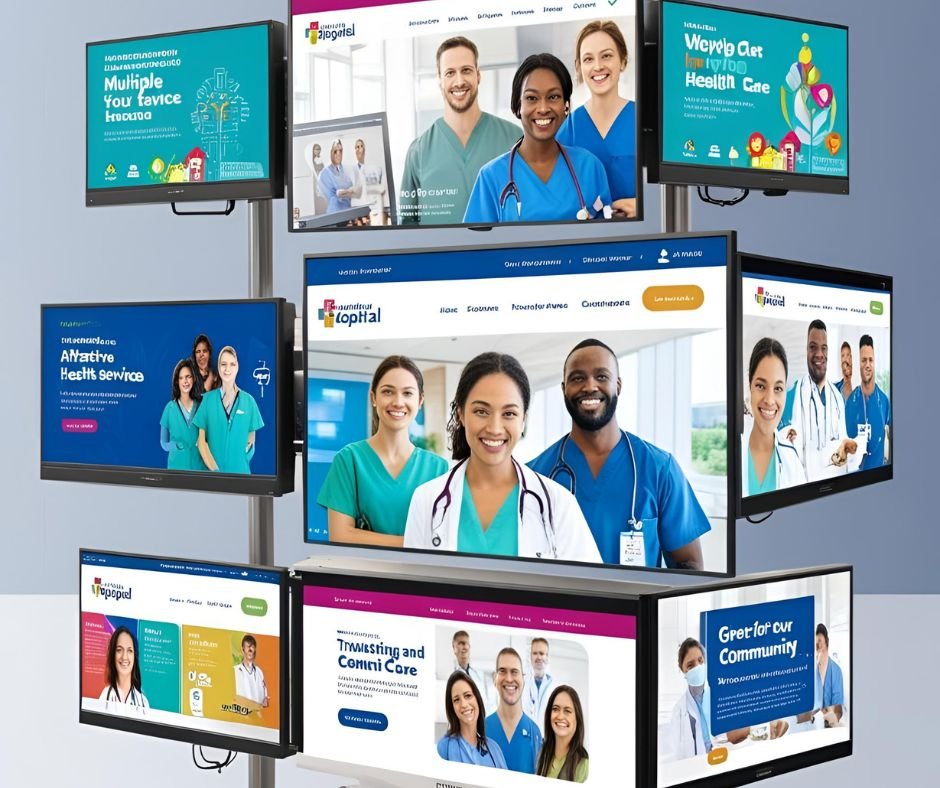
Telehealth Marketing

Invest in SEO for Telehealth

Search engine optimization (SEO) is crucial for your online visibility. Here’s how to implement SEO effectively:

  • Keyword Research: Identify relevant keywords related to telehealth, like “online therapy,” “telemedicine providers,” and “virtual healthcare.”
  • Local SEO: Optimize for local search by adding your practice to online directories and Google My Business. This is especially beneficial for attracting local patients.
  • Content Creation: Create blog posts around common telehealth topics, addressing patient questions or providing valuable health tips. Use headings and bullet points for readability, and make sure to include relevant keywords naturally.

Want to know how SEO helps in building an online presence for doctors? Click here.

Create Engaging Content

Engaging content is key to capturing the interest of potential patients. Here are some content ideas:

  • Blog Posts: Write articles that educate patients about telehealth benefits and technology.
  • Videos: Create videos explaining how your telehealth services work. These can be shared on your website and social media.
  • Infographics: Visual representations of data regarding telehealth can help convey important information in an easy-to-understand format.

Leverage Email Marketing

Email marketing remains a powerful way to communicate with and engage patients. Here’s how you can use it effectively:

  • Newsletter: Send out a monthly newsletter featuring telehealth tips, service updates, and articles beneficial to your patients.
  • Follow-ups: After a telehealth appointment, encourage feedback and remind patients of upcoming services or health checks.
  • Personalization: Use personalized email content to enhance engagement by addressing patients by their names and tailoring content to their interests.

Measuring the Success of Your Strategies

To ensure your telehealth marketing strategies are effective, track your results regularly:

  • Analytics: Use tools like Google Analytics to monitor website traffic and user behavior. This insight helps refine your strategies over time.
  • Social Media Metrics: Track engagement rates, shares, and click-through rates on your social media posts. Adjust your content based on what resonates with your audience.
  • Patient Feedback: Regularly solicit feedback from patients about your marketing efforts, adapting your approach based on their insights.

Conclusion

Implementing effective telehealth marketing strategies is essential for attracting and retaining patients in today’s digital-first world. By building a strong online presence, utilizing social media, investing in SEO, creating engaging content, and leveraging email marketing, your practice can flourish. Remember to regularly measure the success of your strategies to adapt and grow in this exciting landscape. Engage with your audience, provide valuable information, and establish trust—your telehealth services deserve the best marketing attention.

If you feel that you are still stuck… Here we are! You can book your Free Consultation with NadVibes Digital.

GMB optimization for Doctors

GMB Optimization for Doctors: Your Path to Better Local SEO for Healthcare

In today’s digital-first world, patients often turn to Google before choosing a healthcare provider. That’s why having a well-optimized Google My Business (GMB) profile is essential for doctors looking to grow their practice locally. GMB optimization for doctors isn’t just about claiming your profile—it’s about strategically enhancing it to appear in relevant local searches, build trust, and attract new patients. From accurate contact information and engaging photos to regular updates and patient reviews, every detail on your GMB profile can impact your online visibility. A properly optimized GMB listing helps your clinic rank higher in the “local pack” (the top map results), increasing the chances of getting noticed by potential patients nearby. Whether you’re a general physician, specialist, or run a multi-location practice, this guide will walk you through actionable steps to improve your local SEO through GMB—and ultimately, grow your healthcare business.

What is GMB?

Google My Business (GMB) is a free tool that allows business owners to manage their online presence across Google, including Search and Maps. For doctors, GMB is crucial as it enables potential patients to find essential information about your practice, such as location, hours of operation, and services offered.

The Importance of GMB Optimization for Doctors

GMB optimization for doctors plays a vital role in local search visibility. In today’s digital age, most patients begin their healthcare journey online, searching for nearby providers. An optimized GMB listing helps ensure that your practice appears at the top of search results, making it easier for potential patients to choose you.

Key Benefits of GMB Optimization:

  • Improved visibility in local searches.
  • Enhanced patient trust through accurate information and reviews.
  • Increased website traffic and appointment bookings.
  • Better engagement with the local community.

GMB Optimization for doctors

Steps for Effective GMB Optimization for Doctors

Step 1: Claim and Verify Your GMB Listing

The first step in GMB optimization for doctors is claiming and verifying your listing. Here is how:

  1. Go to Google My Business.
  2. Click “Start now” and enter your practice’s name and address.
  3. Follow the prompts to verify your listing, which may require a verification postcard from Google.

Step 2: Complete Your Profile

Once verified, it’s essential to complete your profile. This includes:

  • Business Name: Ensure it matches the name used on your practice sign and website.
  • Address: Provide an exact location to help patients find you easily.
  • Phone Number: Include a local phone number.
  • Service Area: Specify the areas you serve, if applicable.

Step 3: Use Relevant Keywords

Incorporate keywords relevant to your practice throughout your listing. Research local SEO for healthcare phrases patients might search for, such as “family doctor,” “pediatrician,” or “dentist near me.” Include these in your practice description, but be sure to keep the text natural and readable.

Step 4: Encourage Reviews

Reviews greatly influence potential patients. Encourage satisfied patients to leave positive reviews on your GMB listing. Some effective ways to do this include:

  • Sending a follow-up message post-appointment, thanking them and providing a link for reviews.
  • Displaying “Leave a Review” signage within your practice.
  • Responding to existing reviews to show you value patient feedback

Step 5: Add Photos

Photos can significantly impact how potential patients perceive your practice. High-quality images of your office, staff, and services can make your listing more attractive.

Consider these types of photos to include:

  • Office exterior and interior.
  • Staff portraits.
  • Treatment images (if appropriate).
  • Any awards or certifications.

Local SEO for Healthcare: A Critical Component

Optimizing your GMB listing is just one part of local SEO for healthcare. Please also make sure that your practice has a well-structured website, local citations (consistent name, address, phone number across the web), and backlink strategies from reliable sources. You can also book our free consultation to get better assistance!

Additional Local SEO Tips:

  • Optimize your website for mobile devices.
  • Use local keywords in your website content.
  • Create blog posts about health topics relevant to your community.
  • Maintain active social media profiles linking back to your GMB listing.
Google My Business for Doctors

Monitoring and Managing Your GMB Listing

Regularly update and monitor your GMB listing. Check insights provided by Google to understand how patients are finding you, what actions they are taking, and the overall performance of your listing. This data allows you to tweak your strategy as needed.

Key Tasks for Ongoing Management:

  • Update operating hours and services as needed.
  • Respond to reviews, both positive and negative.
  • Post updates about any special events or new services.

Conclusion

In conclusion, GMB optimization for doctors is essential for increasing your practice’s visibility, building patient trust, and ultimately driving more appointments. By following the steps outlined above, you can significantly improve your practice’s online presence. Remember to constantly monitor and adjust your strategy to maintain a robust local SEO for healthcare approach.

Interested in learning more about effective GMB strategies? Leave a comment below or reach out via our contact form for personalized advice! Do you know the importance of SEO in the healthcare industry? To learn more, Click here.